
Tuckpointing & Repointing Services
We restore deteriorating mortar joints to protect your masonry and keep your building strong for decades to come.
(260) 240-2459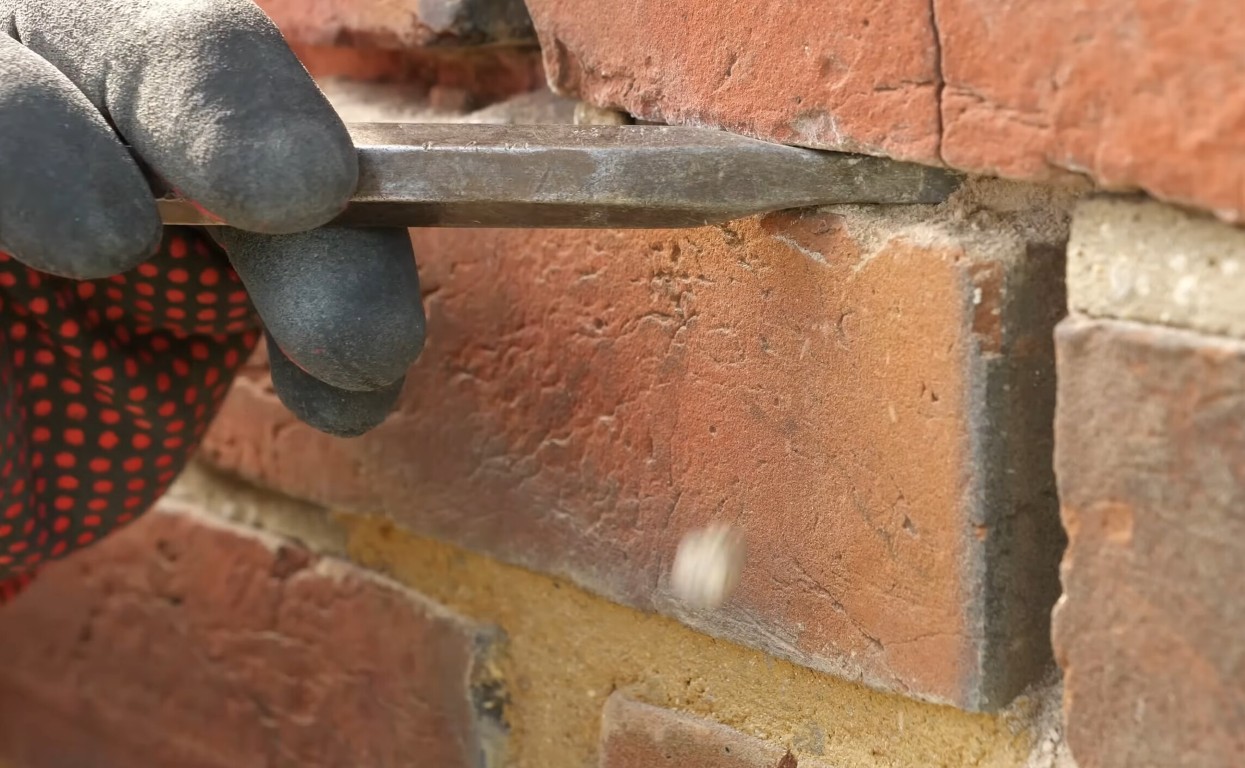
What Tuckpointing and Repointing Really Mean
People often use these terms interchangeably, but they describe slightly different processes. Repointing is the general term for removing old, damaged mortar from joints between bricks or stones and replacing it with fresh mortar. Tuckpointing is a specific repointing technique where we use two different colors of mortar to create crisp, narrow lines that make the joints look perfectly uniform and give the wall a refined appearance.
Both processes accomplish the same essential goal: protecting your masonry from water damage and structural problems. The mortar between your bricks is not just there to hold them together. It actually acts as a sacrificial element designed to wear away before the bricks do. When mortar deteriorates, it is doing its job by taking the damage instead of letting it affect the bricks themselves. But once that mortar gets too worn down, it stops protecting your wall and starts letting problems in.
In Fort Wayne, our freeze-thaw cycles are particularly hard on mortar joints. Water seeps into small cracks, freezes overnight when temperatures drop, and expands to make those cracks bigger. This happens over and over each winter, breaking down mortar faster than in areas with milder weather. That is why regular maintenance is so important here. We have been restoring mortar joints on Fort Wayne buildings for years, and we understand exactly what local conditions do to different types of masonry. See our full range of services to learn how we help protect all types of masonry work.
How to Tell When Your Mortar Needs Attention
Mortar deterioration happens gradually, so many homeowners do not notice it until the damage is extensive. Learning what to look for helps you catch problems early when repairs cost less and prevent bigger issues down the road.
Crumbling and Missing Mortar
Walk up close to your brick walls and take a good look at the mortar joints. If you can easily scratch mortar out with a screwdriver or your fingernail, it has deteriorated too much. You might see mortar that has turned to powder, or you might find gaps where mortar has fallen out completely. Sometimes you will notice small piles of sandy material at the base of walls where mortar has crumbled and fallen down. All of these signs mean your walls need professional repointing soon.
Cracks and Gaps in Joints
Even if the mortar has not crumbled away yet, cracks running through the joints let water penetrate your walls. You might see hairline cracks, wider gaps, or separation between the mortar and the brick. Any opening at all creates a path for water to get inside your wall, where it causes problems you cannot see from the outside. Once water gets in, it can lead to interior damage, mold growth, and even structural issues over time.
Water Damage Indicators
Sometimes the first sign of mortar problems shows up as water damage. White powdery stains on your bricks, called efflorescence, mean water is moving through your walls and bringing salts to the surface. You might also see dark staining or discoloration, moss or mildew growth, or dampness on interior walls. These symptoms all point back to failing mortar joints that need replacement. If you are also noticing damage to the bricks themselves, you might need comprehensive brick repair work along with the repointing.
What to Check Around Your Property
When inspecting your masonry, pay special attention to these common problem areas:
- Horizontal surfaces like chimney tops, window sills, and ledges where water sits
- North-facing walls that stay wet longer and never get direct sun to dry them out
- Areas near downspouts or where roof runoff hits the wall
- Lower sections of walls where ground moisture and splash-back cause extra wear
- Joints that show visible gaps, cracks, or recessed mortar deeper than one-quarter inch
How We Restore Your Mortar Joints
Quality repointing work requires skill, patience, and attention to detail. We do not rush the process because shortcuts lead to failures that show up in just a few years. Here is how we approach every repointing project.
Careful Mortar Removal
We start by carefully removing deteriorated mortar without damaging the surrounding bricks. This means grinding or chiseling out the old mortar to a depth of at least twice the joint width, typically around three-quarters to one inch deep. Going deep enough ensures the new mortar has plenty of surface area to bond properly. We take special care around the edges of each brick because that is where chips and cracks happen if you are not careful with your tools.
Matching the Original Mortar
This step is more important than most people realize. The new mortar needs to match the old mortar in both appearance and performance. We analyze your existing mortar to determine its composition, strength, and color. Using mortar that is too hard can actually damage softer historic bricks, while mortar that is too soft will not last. We mix mortar to match your specific needs, whether that means matching a certain color for aesthetic reasons or matching the strength characteristics for proper performance.
Proper Installation Technique
Before installing new mortar, we thoroughly clean the joints and dampen them with water. Dry bricks suck moisture out of fresh mortar too quickly, preventing it from curing properly. We pack mortar firmly into the joints in layers, making sure to eliminate air pockets that create weak spots. The final finish is shaped to match your existing joints, whether that is a concave profile, weathered look, or another style. For tuckpointing work specifically, we might apply a base mortar that matches the brick color, then add thin ribbons of contrasting mortar to create those sharp, decorative lines.
Curing and Protection
Fresh mortar needs time to cure properly, which means keeping it from drying out too quickly or getting too wet. We might cover the work area to protect it from direct sun, wind, rain, or freezing temperatures. The mortar needs to cure for several days before it reaches full strength. Rushing this process creates weak joints that fail prematurely. If you need other masonry work done at the same time, we can coordinate multiple services efficiently. For example, we often handle chimney repairs that include both structural fixes and repointing work all in one project.
Common Questions About Tuckpointing and Repointing
Here are answers to the questions Fort Wayne homeowners ask us most frequently about mortar restoration.
Protect Your Masonry With Professional Repointing
Do not let deteriorating mortar damage your brickwork. Get a free inspection and see exactly what your walls need to stay strong and weather-tight.
Call (260) 240-2459